How to Invite Your Baby to Reach for You During Play
By Down Syndrome Digital ·
Suggested age: 6–10 months
What is the “Come to Mommy” activity?
“Come to Mommy’s arms” is a gentle, face-to-face floor-play idea for babies with Down syndrome aged 6–10 months. It invites your baby to look toward you and reach for your hands. The original activity also describes pulling a baby up to sitting; do not pull on your baby’s hands or arms. Only practise a supported pull-to-sit movement if your baby’s clinician has shown you how.
What can this activity invite?
• Looking toward a familiar face
• Listening to a caregiver’s voice
• Reaching toward offered hands
• Sharing a calm moment of play
What do I need for this activity?
Use a clear, firm play mat on the floor. No special toy is needed. Stay close and support your baby in a position that is comfortable for them.
How do I play “Come to Mommy”?
1. Make a comfortable space
Place your awake baby on their back on a clear floor mat if that position is comfortable for them. Sit or kneel nearby so you can see one another. You can also play in another position your baby’s clinician has recommended.
2. Say hello
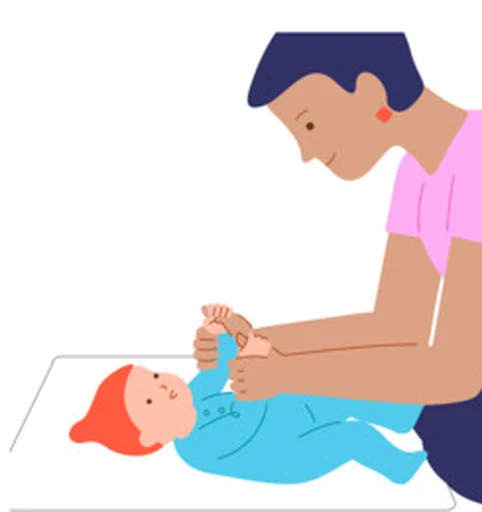
Say your baby’s name in a warm voice. Smile, pause, and give them time to notice your face. A soft tongue click or familiar sound can help draw their attention.
3. Offer your hands
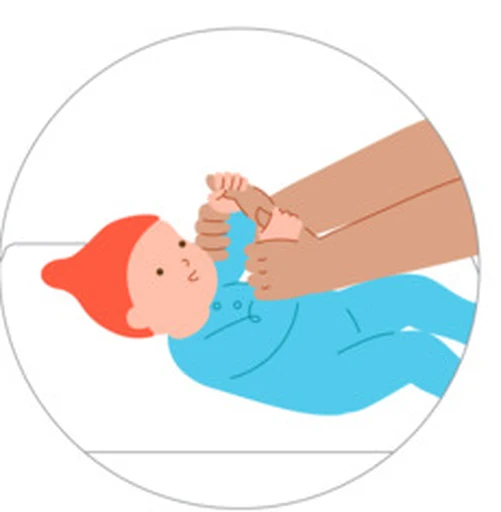
Hold your hands where your baby can comfortably see and reach them. Wait to see what your baby does. If they grasp your fingers, keep your hands still—do not tug or use their grip to pull them up.
4. Respond and finish gently

Praise any look, sound, or reach. If your baby wants to be picked up, lift them in the way you normally do, supporting their head and body. Never toss or swing your baby as part of this game.
Keep play safe and enjoyable
Use this activity only while your baby is awake and closely supervised. Keep the floor area clear, support your baby as needed, and pause if they seem tired or uncomfortable. This is a play idea, not an exercise prescription or a milestone test.
Frequently asked questions
What age is this activity for?
The source activity lists it for babies aged 6–10 months. The age range is a guide, not a developmental deadline; follow your baby’s cues and ask their clinician if you are unsure.
Should I pull my baby up by their hands?
No. Do not tug on your baby’s hands or arms. Ask a clinician to show you any supported movement they recommend for your baby.
What if my baby does not reach?
That is okay. Keep talking and smiling, or simply enjoy looking at one another. Stop or take a break if your baby loses interest.
Does my baby need to sit up during this game?
No. Looking, listening, reaching, or resting are all welcome responses. Do not try to make your baby sit up as part of the game.